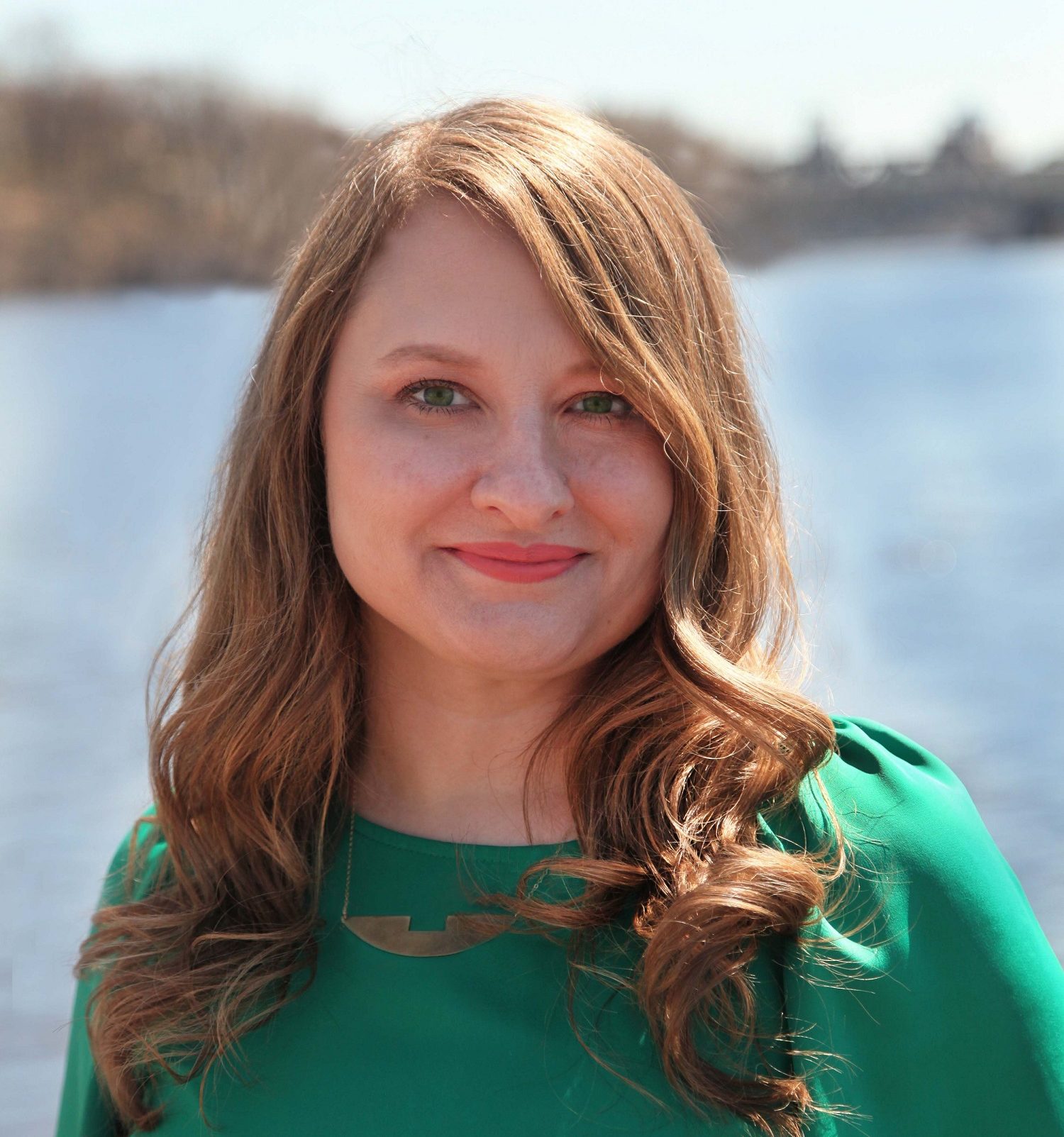
I first did a Q&A with Minnesota-based OCD therapist Erin Venker in 2017, the year she started taking clients. Then recently, she got in touch and asked if we could revisit some of her answers because her thinking has evolved over the years. I loved that she wanted to come back and share what she’s learned—it’s so important that therapists are willing to grow.
Erin cares deeply about the Twin Cities community as a whole and has held many events that bring people together, and she is committed to making access to care more equitable. Thank you, Erin!
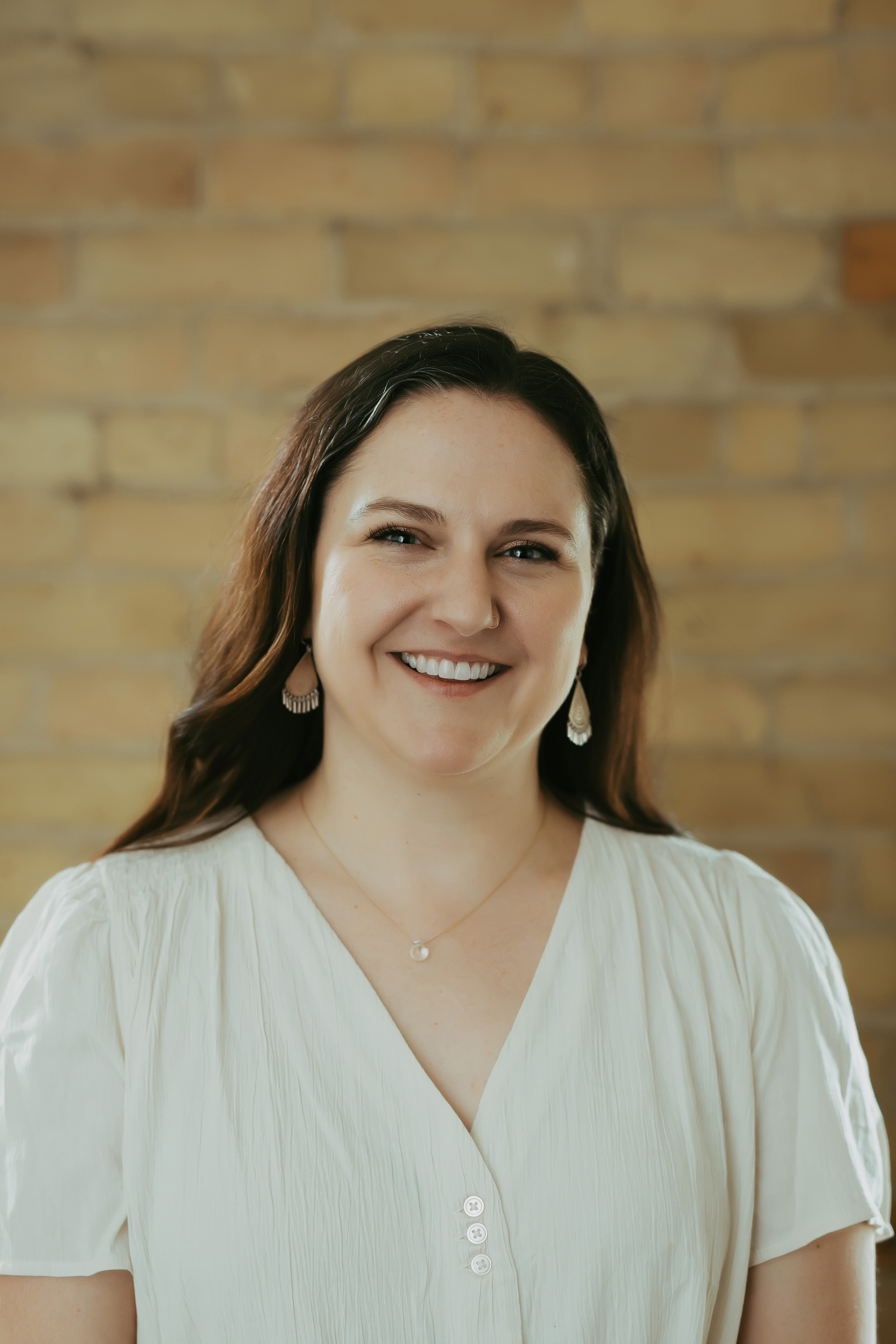
What inspired you to create the Minnesota OCD Conference, and what do you hope attendees get out of it?
The Minnesota OCD Conference grew out of a gap I had seen for years, both as someone with OCD and as a clinician treating it. Minnesota has incredible providers, researchers, advocates, and lived experience voices, but too often they exist in silos. I wanted to create a space where all of those perspectives could be in the same room, learning from one another and building shared understanding.
The first Minnesota OCD Conference took place on October 11, 2025, and it was incredibly meaningful to see how well it was received. The response affirmed something I have long believed: people are hungry for accurate information, thoughtful dialogue, and real connection around OCD.
My hope for attendees was, and continues to be, that they leave feeling more connected, more informed, and less alone. Whether someone is an individual with OCD, a family member, or a professional, the conference is grounded in shared understanding. OCD thrives in isolation and misunderstanding, and community is one of the most powerful antidotes we have.
I also wanted the conference to raise the bar for how OCD is talked about, moving beyond stereotypes and toward nuanced, evidence-based, compassionate care. That same vision is guiding our next Minnesota OCD Conference on October 10, 2026, as we continue building something sustainable and community driven here in Minnesota.

You’ve hosted community events since founding OCDMN in 2017. What has stood out to you about bringing people together?
Some of the most meaningful moments for me have not been formal presentations. They have been the conversations that happen before and after events. People realizing, “Wait, you experience that too?” or “I didn’t know there was language for what I’ve been dealing with.”
Since 2017, we have hosted support groups, trainings, panels, and creative workshops. What stands out is how hungry people are for accurate information and safe connection. OCD can be deeply isolating, especially for people with taboo or misunderstood themes. Community events interrupt that isolation.
That is why this conference feels like a natural evolution rather than something entirely new.
Cultural sensitivity, equity, and access matter deeply to you. What would you like to say about that work?
I want to be honest here. As a white clinician, I do not get this perfect, and I never will. Cultural humility means staying open, self-critical, and accountable.
OCD does not exist in a vacuum. Culture, race, religion, immigration status, queerness, and systemic oppression all shape how symptoms show up, how people interpret them, and whether someone feels safe seeking care in the first place. Colonial frameworks in mental health have historically centered white, Western norms, and that has caused real harm.
At OCDMN, we aim to practice neurodivergent-, LGBTQ+-, and BIPOC-affirming care while also acknowledging our limitations. That includes listening to marginalized voices, continuing education, examining power dynamics, and building systems that reduce barriers to care rather than reinforcing them.
Equity is not a box you check. It is an ongoing practice.
You founded OCDMN in 2017. What has changed since then? Tell us about your team.
In 2017, OCDMN was essentially me, newly licensed, deeply motivated, and still learning what it truly takes to build sustainable, high-quality care. Today, we are a growing team of clinicians with specialized training in OCD, anxiety, neurodivergence, and related conditions.
What has changed most is clarity. We are unapologetically specialized. We invest heavily in training. We collaborate. We adapt as the field evolves. We have expanded beyond therapy alone to include assessments, professional education, community outreach, and now large-scale events like this conference.
The heart of the work has not changed, but the depth, structure, and reach absolutely have.
You mentioned revisiting earlier beliefs and treatment models. Can you talk about how your thinking has evolved?
I love this question because I believe therapists should change.
Earlier in my career, ERP was the clear centerpiece of my work, and it is still foundational. Over time, I have expanded how I conceptualize OCD. Inference-based CBT, or I-CBT, has profoundly shaped how I understand obsessional doubt, reasoning, and identity-based fear.
I have also become more precise about how and when different tools are used. DBT skills can be very helpful for emotional regulation and quality of life, but they are not OCD treatment on their own. Being clear about those distinctions matters.
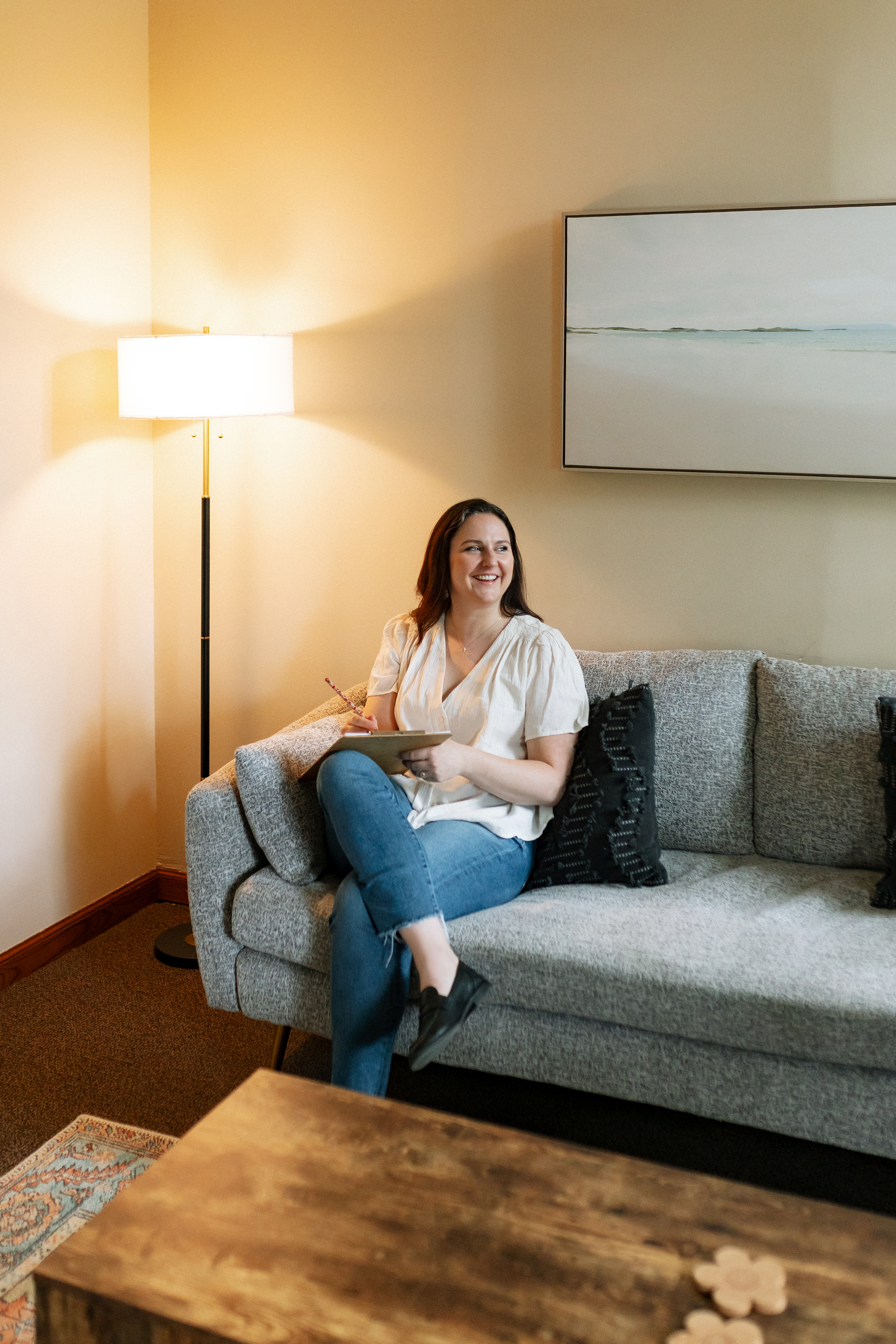
Growth does not mean abandoning what you knew. It means integrating new evidence and listening closely to clients.
You have OCD yourself. How long have you had it, and when did you realize that is what you were experiencing?
I first experienced OCD symptoms in elementary school, around fifth grade, though I was not formally diagnosed until seventh grade. Even then, I did not understand the full picture. I was too ashamed to talk about my intrusive thoughts, so I did not realize for many years that those thoughts were a core part of my OCD.
Like many people, I thought OCD was just rituals and visible behaviors. I did not yet have language for what was happening internally.
What were your symptoms like over time?
Early on, my OCD showed up as magical thinking, breathing rituals, lucky and unlucky colors, and the belief that my actions could control outcomes. That evolved into repetitive praying, confessing, and intense fear that I was responsible for harm coming to my family.
Later, my OCD became primarily mental, with rumination, replaying conversations, fear of offending others, reassurance seeking, and constant self monitoring. I had intrusive sexual and violent thoughts that felt unbearable. That period of my life is honestly blurry. I just remember how exhausting it was to exist inside my own mind.
What are your thoughts on the term “pure O”?
I am still nuanced about it.
Clinically, it is true that there are compulsions, often mental ones. Experientially, many people deeply identify with the term pure O, and that matters. I have worked with many individuals who did not seek treatment for years because they did not recognize their behaviors as compulsions.
For people with sexual, violent, or taboo intrusive thoughts, that lack of language can be devastating. They often fear they are dangerous or immoral rather than experiencing OCD.
If the term pure O helps someone recognize themselves and get help sooner, I see value in that.
Once you knew you had OCD, how did you treat it? When did relief begin?
I did not receive proper OCD treatment until about 14 years after my diagnosis. I spent years in well intentioned talk therapy that did not touch the core of OCD.
At 28, I began ERP with a specialist who understood the disorder deeply. Within a couple of months, I noticed real shifts. Not the absence of intrusive thoughts, but a change in how I related to them. That was life changing.
How do you use mindfulness now in OCD treatment?
Mindfulness helps create space between thoughts and meaning. For me, it is about observing rather than analyzing, judging, or solving.
Mindfulness works best when paired with evidence based OCD treatment. It is not about calming anxiety or making thoughts go away. It is about allowing uncertainty and disengaging from compulsive meaning making.
Used correctly, it supports ERP and I-CBT rather than replacing them.
How has your view on medication changed?
My view has matured. Medication can be essential, sometimes life saving, for people with OCD. What matters is thoughtful prescribing by providers who understand OCD and collaboration with therapy.
ERP and I-CBT remain core, but medication often makes engagement with treatment possible. I am increasingly vocal about that balance.
What is the hardest part of living with OCD?
The relentlessness. When OCD is loud, there is no mental rest. It is physically, emotionally, and cognitively exhausting.
I will also say this. People with OCD are often deeply thoughtful, creative, and values driven. Recovery is not about erasing sensitivity. It is about learning how to live alongside uncertainty.
If you could offer one piece of advice to others with OCD, what would it be?
Get specialized care. OCD requires specific treatment from clinicians who truly understand the disorder, and it should not be faced alone. Community matters.
OCD is painful and often misunderstood, but it is treatable. With the right support and evidence-based care, people can experience real relief, growth, and a fuller sense of themselves.

 Alison Dotson